Christians need to start an education revolution. Vishal Mangalwadi shows us how.
Christians debate elections, legislation, and how to restore their nations while often overlooking a more fundamental question: Who is educating the next generation? Whoever shapes children’s understanding of truth, morality, and human purpose helps shape the society those children will build. Education disciples a nation long before its citizens enter a voting booth.
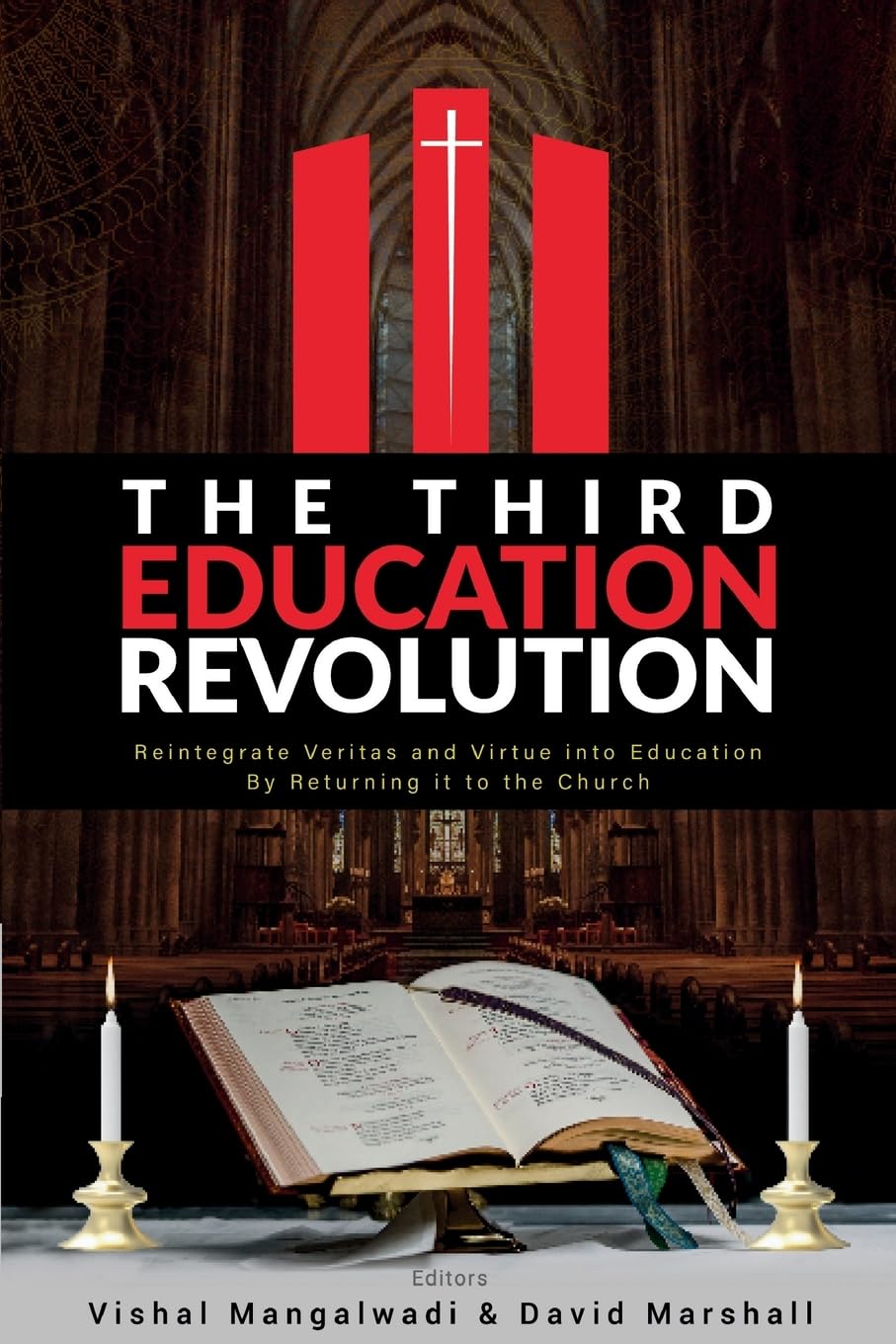
That is why Vishal Mangalwadi’s The Third Education Revolution, edited with David Marshall, deserves the attention of pastors, parents, educators, and business owners. Its central proposal brings together university expertise, digital instruction, and local churches to make education accessible while joining intellectual development with character formation. It presents a substantial undertaking for the Christian community.
Education always communicates a worldview. What is a human being? Where do moral obligations come from? What makes life worthwhile? Even a school that avoids these questions teaches answers through what it includes, excludes, rewards, and treats as authoritative. When God is systematically excluded from the explanation of reality, students learn to interpret life without reference to Him. That is a theological position with consequences.
 The church should therefore examine its dependence upon civil government for the formation of its children. We proclaim Christ’s authority over every area of life while accepting schooling that treats Him as irrelevant to most of it. We then expect a few hours of religious instruction to overcome years of intellectual formation. The church cannot surrender the education of the mind and expect to retain the direction of the culture.
Jesus commanded His people to disciple nations, teaching obedience to everything He commanded. That requires sustained instruction in how to think, work, govern, raise families, handle wealth, and serve neighbors. Education is an essential mechanism of that commission—and arguably a primary one. The convictions that shape a nation must be taught before they can be practiced.
Mangalwadi’s proposal makes that responsibility concrete. Scholars provide excellent instruction through digital courses. Students gather locally for guidance and discussion. Academic pastors help connect knowledge with character, while community internships develop practical competence. The intended result is affordable education rooted in relationships and directed toward useful, responsible lives.
Getting education away from civil government means Christians must assume the work themselves. Families, churches, scholars, and businesses must cooperate, support teachers, and establish institutions worthy of trust. Christian education must be rigorous enough to welcome difficult questions, examine opposing arguments fairly, and correct its own mistakes. A Christian label cannot substitute for scholarship or integrity.
Independent education also gives communities greater freedom to preserve their convictions across political changes. A people whose learning depends upon government remains vulnerable to the priorities of those who control it. Families and churches need the capacity to educate faithfully without waiting for the next election to grant them permission.
The Third Education Revolution asks Christians to think and build across generations. Read it, discuss it, and identify something you can help establish—a learning center, scholarship, mentoring program, university partnership, or support for a capable teacher. The church’s recovery of education deserves a central place in any serious effort to disciple nations. We cannot keep handing government the classroom and wonder why it keeps shaping the culture.
Article posted with permission from Bill Evans